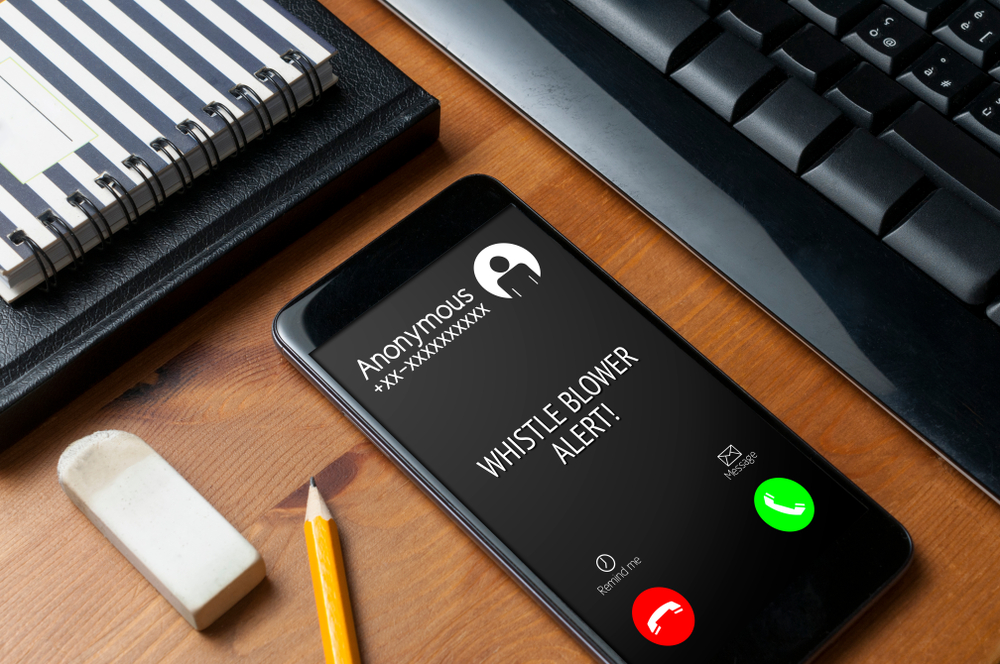
Whistleblower Policies: Detect Fraud and Promote Integrity
by Shauna R. Brewster, CPA, MBA, Audit Manager
Posted on June 14, 2023
 External audits rarely detect fraud in organizations. The fact is tips are the most common method of initial fraud detection. As a result, whistleblowing has emerged as a critical mechanism to combat fraud, corruption, and unethical behavior within organizations. By empowering employees and communities to report wrongdoing, organizations can foster a culture of transparency, accountability, and integrity. The most effective whistleblower policies have the following attributes.
Confidentiality and Anonymity through Multiple Channels
Individuals will only report concerns if they feel safe and protected. Allowing individuals to maintain confidentiality throughout the reporting process and report concerns in a way that is comfortable for them is the most basic requirement of a whistleblower policy. Individuals who fear discomfort and retaliation are less likely to report vital information about wrongdoing. Organizations should use traditional methods like face-to-face reporting to supervisors alongside anonymous reporting mechanisms such as hotlines, dedicated email addresses, or web-based reporting systems. Offering diverse channels increases the likelihood of receiving reports and ensures accessibility for employees at all levels as well as community members.
Clear Reporting and Investigation Procedures
Organizations should detail reporting and investigation procedures within the policy for each reporting channel available. Reporting procedures should be clear and user-friendly to guide individuals through the reporting process and provide detail on what information will help with a successful investigation. Investigation procedures should follow the reporting procedures and outline the steps the organization will take to investigate and resolve each reported concern. Designating responsibility for investigating claims, establishing timelines, and appropriately communicating to the parties involved are just a few items to include. These procedures are not only informative but also provide reassurance to potential reporters that concerns will be taken seriously, easing the fear of possible discomfort and retaliation.
Training, Awareness, and Continuous Improvement
A stagnant policy in a manual does little good for an organization. Organizations should perform education and training over the whistleblower policy at least annually to ensure individuals are aware of its existence, understand its purpose, and know how to use the reporting channels effectively. In addition, whistleblower policies should be dynamic and evolve with emerging challenges and best practices. Organizations should establish mechanisms to collect feedback on the policy and use the information to improve reporting mechanisms and address communication gaps. Promoting awareness of the policy and collecting feedback not only increases its effectiveness but also demonstrates the Organization’s commitment to integrity. Regularly reinforcing these messages maintains a strong ethical culture reducing the rationalization of fraud.
A well-designed whistleblower policy can promote ethical behavior, prevent fraud and misconduct, and protect employees who report wrongdoing. It is a cornerstone of organizational integrity, transparency, and accountability, and organizations must craft their policies with care. Who knows, it may just be the tool that detects fraud in your organization.
Related Articles:
- Preventing Fraud in the Era of Remote Work
- Can You Identify a Fraudster?
- Ways to Help Detect and Prevent Fraud in Non-Profit Organizations
Print-ready version of article: Click here