Wildfire and Disaster Funding Opportunities for Arizona Cities and Towns
by James Shankland, CPA, Audit Partner
Posted on June 15, 2026
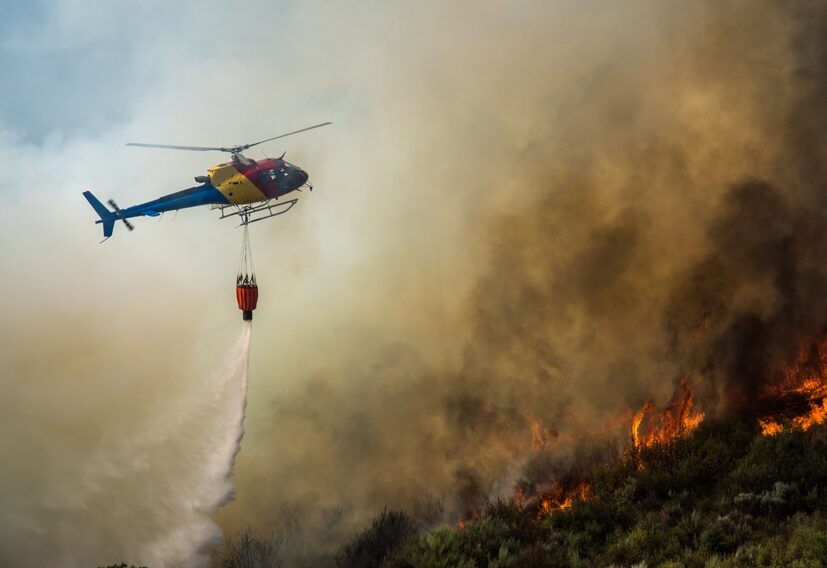
 Living in our beautiful state of Arizona does unfortunately come with some risks of natural disasters. As wildfire and flooding risks increase across Arizona during the summer months, municipalities should not only focus on response but also understand the funding pathways available through various agencies to support response, recovery, and long-term resilience.
Understanding the Disaster Funding Framework
Disaster funding generally follows a defined progression: local resources are utilized first, and then, if needed, a state declaration may be made to provide additional assistance. For more significant events, federal support may also become available.
Understanding how and when these funding sources are activated can help communities to better position themselves to recover costs and access available resources.
In Arizona, the Department of Emergency and Military Affairs (DEMA) manages and administers many of these programs and serves as the primary liaison for municipalities. Disaster assistance is typically authorized under the Stafford Act, a 1988 federal law designed to create a coordinated response framework for governments in crisis. Familiarity with this framework can help local governments navigate the process more effectively when an event occurs.
Leveraging Mutual Aid and State Resources
Through the Arizona DEMA’s website, cities and towns can sign up to participate in the Arizona Mutual Aid Compact (AZMAC). This program allows incorporated municipalities, fire districts, tribal nations, and other political subdivisions to share resources and coordinate mutual aid during emergencies – an important tool for communities facing capacity constraints during large-scale events. The resources that the supporting party provided can then be reimbursed.
For an example of the Arizona Mutual Aid Compact in action, during the devastating floods in the Globe-Miami area in fall 2025, surrounding municipalities and fire and medical districts were able to deploy personnel and equipment to assist with rescue and recovery efforts.
Wildfire Response and Prevention Resources
For wildfire-specific incidents, response efforts in Arizona are coordinated through the Department of Forestry and Fire Management (DFFM). When a significant fire occurs, DFFM may issue a declaration of need, which unlocks additional operational resources. If the event escalates beyond local and DFFM capabilities, the state may activate a Governor’s Declaration of Emergency to provide broader funding and support at the federal level. For example, during the 2022 Tunnel Fire northeast of Flagstaff, a fast-moving wildfire burned more than 19,000 acres and prompted the evacuation of hundreds of households. As conditions worsened, the Governor issued a Declaration of Emergency, unlocking additional state funding and resources to assist impacted communities with response and recovery efforts.
In addition to emergency response resources, DFFM offers several grant opportunities focused on community forestry, forest health, and hazardous fuels mitigation. These programs provide valuable funding for proactive efforts that can reduce wildfire risk over time. DFFM’s website also serves as a central resource for current fire restrictions on public lands, along with education and prevention programs that municipalities may find useful for community outreach.
Disaster Recovery vs. Hazard Mitigation Funding
It is also important to distinguish between disaster response or recovery grants and hazard mitigation grants. Disaster-related funding is typically limited to restoring damaged infrastructure and land to pre-disaster conditions.
Hazard mitigation grants, on the other hand, are intended to support improvements that reduce the likelihood or severity of future disasters. Communities with elevated wildfire risk often benefit from leveraging both types of funding, though doing so effectively requires coordination and long-term planning.
Documenting Damage and Maximizing Cost Recovery
When a disaster such as a flood or wildfire does occur, timely and accurate damage assessment is critical. Initial “windshield surveys” can provide a high-level understanding of impacts, followed by more detailed, on-the-ground evaluations.
Thorough documentation increases the likelihood that eligible costs will be recovered through disaster funding programs. These costs may include not only physical damages, but also labor and mileage associated with response efforts—even in certain situations outside established jurisdictional boundaries, particularly when a county or special district response is not in place.
Building Relationships Before Disaster Strikes
Finally, establishing relationships with the agencies involved in disaster response and funding is an important, often overlooked step. DEMA and DFFM each maintain regional representatives who work directly with local governments.
Proactively identifying key contacts and understanding available resources can help streamline communication and improve coordination when an emergency arises.
Final Thoughts
While disasters cannot always be prevented, Arizona cities and towns can take meaningful steps to better prepare for and respond to these events. By understanding available funding pathways, investing in mitigation opportunities, and strengthening coordination with key agencies, municipalities can improve both their immediate response and long-term resilience.
Print-ready version: Click here